
1956–2026. Seven decades of history
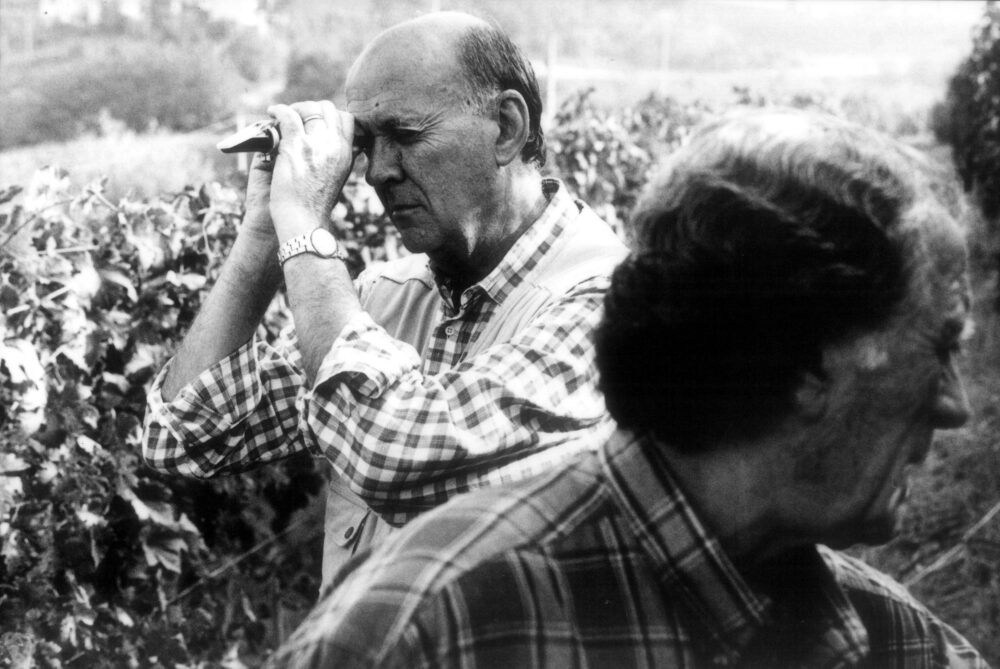
Seventy years mark the arc of a completed cycle – from postwar hardship to digital revolution, from the hand press to sustainability, from the barrel to the world. Within this trajectory lies a reflection of Italy itself: a country that has grown, travelled, learned to drink better, and to think of wine as a cultural expression.
1956 is a year that carries the scent of new beginnings. Italy, emerging from the weight of war, still bears the fragility of its economy but moves forward with a renewed imagination – one of work, trust, and rebuilding. The Fiat 500 is born in Turin, Lascia o raddoppia? airs on television, and in the hills of Piedmont, the rhythms of life are still set by the slow pace of hot-bulb tractors. It is in this time of calloused hands and cautious hope that Michele Chiarlo, a 23-year-old son of grape growers from Calamandrana, founds his winery.
His idea is simple, yet radical: to make wines that express Piedmont with clarity and dignity. In the 1960s, as Italy races toward its economic boom and Fellini captures La Dolce Vita, Barbera remains the wine of the osterie – poured alongside bread and cheese. Michele sees its potential. There’s no need to change its nature, only to elevate it. These are years of experimentation, of journeys through Langhe and Monferrato, of friendships forged between winemakers and farmers. The Italian wine world begins to speak of terroir – a word still unfamiliar, almost foreign.
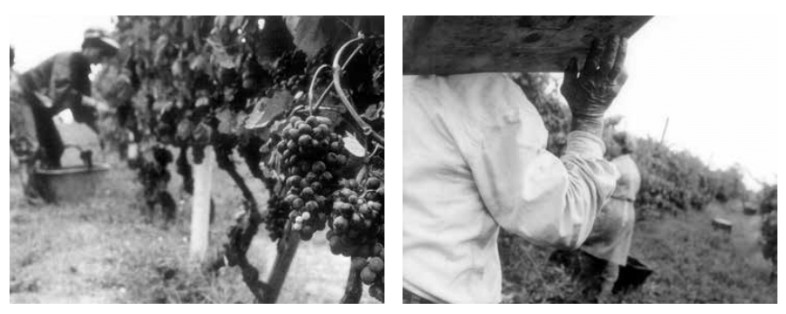
In the 1970s, as Italy discovers industrial design, auteur photography, and the first free radio stations, large oak barrels for aging arrive in the cellar. Chiarlo begins exploring the idea of the cru – long before it becomes widespread. In 1978, the first single-vineyard selections of Barolo, Barbaresco, and Barbera are released: wines that reflect the essence of their landscape. Around the same time, Gavi begins to earn its place among Italy’s noteworthy whites – a sea breeze nestled in the hills.
The 1980s arrive with color and ambition: la Milano da bere, glossy advertising, private television. But in the vineyard, work continues at the steady rhythm of agriculture. Michele Chiarlo introduces green harvesting – a now-common practice that was revolutionary at the time. Choosing quality over quantity meant fewer grapes, but better wine. Meanwhile, the country was reimagining its sense of place: Viaggio in Italia and the photography of Luigi Ghirri sparked a new way of looking at the landscape, rekindling the relationship between people and their surroundings.
In 1988, the winery sets down roots in the heart of Barolo: Cerequio – a natural amphitheater between La Morra and Barolo, a place that will become both symbol and home, and whose thirty vintages we celebrate today.
The following year comes Cannubi. Two iconic crus, sealing the belief that great wines always begin in great vineyards. It’s the decade of the DOCG system and the birth of the Wine Tourism Movement: wine culture begins to meet travel culture.
The 1990s usher in balance. Globalization takes hold, contemporary art enters Turin’s post-industrial spaces, and the internet flickers to life in cafés. In 1995, as Italy talks about Slow Food and reconnecting with the land, Michele Chiarlo acquires Tenuta La Court in the heart of Nizza – 20 hectares that will become the manifesto for a pure, ambitious Barbera.
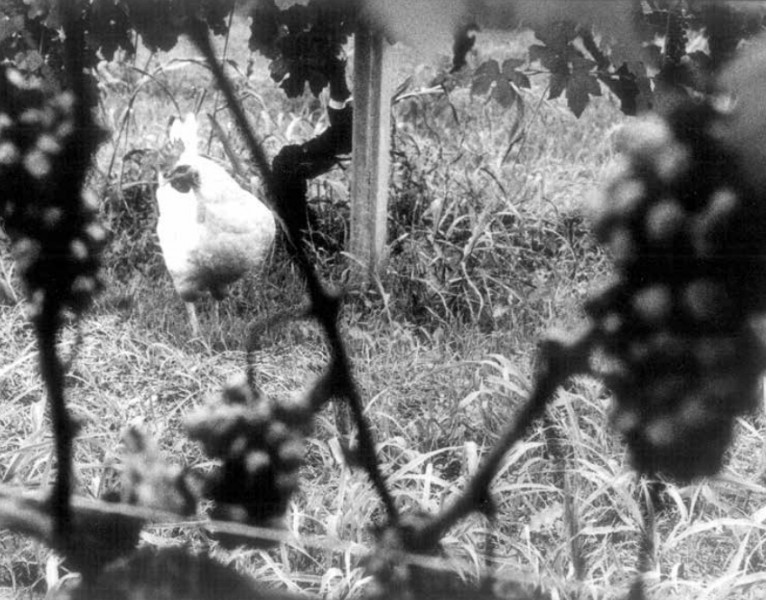
The new millennium opens with an idea that reshapes the way we live among vines: in 2003, the Art Park La Court is born – one of the first examples of land art in the vineyard. At the time, Italy is engaged in a national conversation on beauty and landscape protection: museums spill outdoors, wine becomes visual culture, and the estate in Castelnuovo Calcea becomes a laboratory where art, nature, and wine speak a shared language.
In 2011, Palás Cerequio opens – a wine relais dedicated to the great Barolos. Italian wine tourism is growing, and the relationship between people, place, and wine becomes increasingly inseparable.
The following decade brings maturity and new awareness. The Langhe are recognized by UNESCO. The Calamandrana winery deepens its commitment to sustainability – a journey it began long before the topic gained momentum. In 2022, the Cerequio and Faset crus enter La Place de Bordeaux, building an ideal bridge between Piedmont and the world.
In October 2024, the Cannubi Path is inaugurated – an artistic trail conceived by Ugo Nespolo to honor one of Michele’s long-held dreams. A cultural gesture that returns the spotlight to the hill itself, transforming it into a place of encounter, reflection, and dialogue between art and the vineyard.
Seventy years after 1956, the story of Michele Chiarlo continues to grow alongside the landscapes that shaped it. The crus, the welcome, the art among the rows, the daily work – all of it forms an experiential geography that defines who we are today.
It’s a journey that moves forward with the same spirit that started it: rooted in the knowledge that wine is an expression of the land – and that every choice can help protect it.
The rest is what comes next – a new chapter, still growing on the hills, one step at a time.