
Preparedness and constant monitoring – how we dealt with 2017 vintage

In the previous post we summarized the seasonal pattern for 2017: a difficult, unpredictable year which, despite the lack of rain and the scorching heat, resulted in an excellent harvest.
To understand how the vineyard and the winegrowers dealt with the season, we asked Stefano Chiarlo, who is in charge of the agronomic side of the business, to give us some impressions, anecdotes and expectations for this very particular harvest.

Stefano Chiarlo
Stefano, in such a difficult, unpredictable year, how do you operate in the vineyard to limit the damage caused by unusual weather conditions?
More than heat, the year was marked by a prolonged period of drought, which did not affect the quality of the grapes, but exclusively the quantity produced. We worked the soil to impede capillary evaporation of the water and try to preserve this invaluable resource for the plants. We avoided deleafing in order to keep the grapes shaded, prevent direct sunlight on the bunches and their dehydration. Thinning, for example, was done only at the end of the summer to avoid further stress.
Are there any particular episodes, anecdotes or situations you will remember about this season?
The prolonged drought obliged us to carry out emergency watering by hand (the disciplinary code forbids irrigation of vines in Piedmont) in a young vineyard, which having superficial roots is more subject to lack of water. This operation allowed perfect ripening of the grapes.
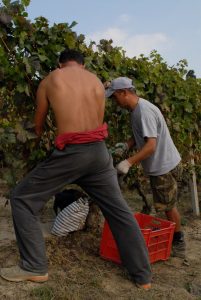
It seems that this season represents those climate changes that have been dreaded for years.
True. In the past 15 years our vineyards have already been frequently hit by adverse conditions, such as more frequent hailstorms, storms with violent winds, but also particularly early, hot spells. This is why it is essential to be constantly in the vineyard to make prompt, sometimes innovative decisions to manage the ripening stage in the best way possible.
What will change in the future, and how will you adapt if this year’s weather and temperature should be repeated?
We will have to learn how to manage the soil better, turning it over more often to keep it aerated and allow the little rain and the night dew to be absorbed by the plants’ roots. In any event, it will be opportune to equip ourselves to find water at depth and – even if it is not part of the tradition in our area – to install drip irrigation systems in the sunnier hills to safeguard the areas where we produce our finest wines.
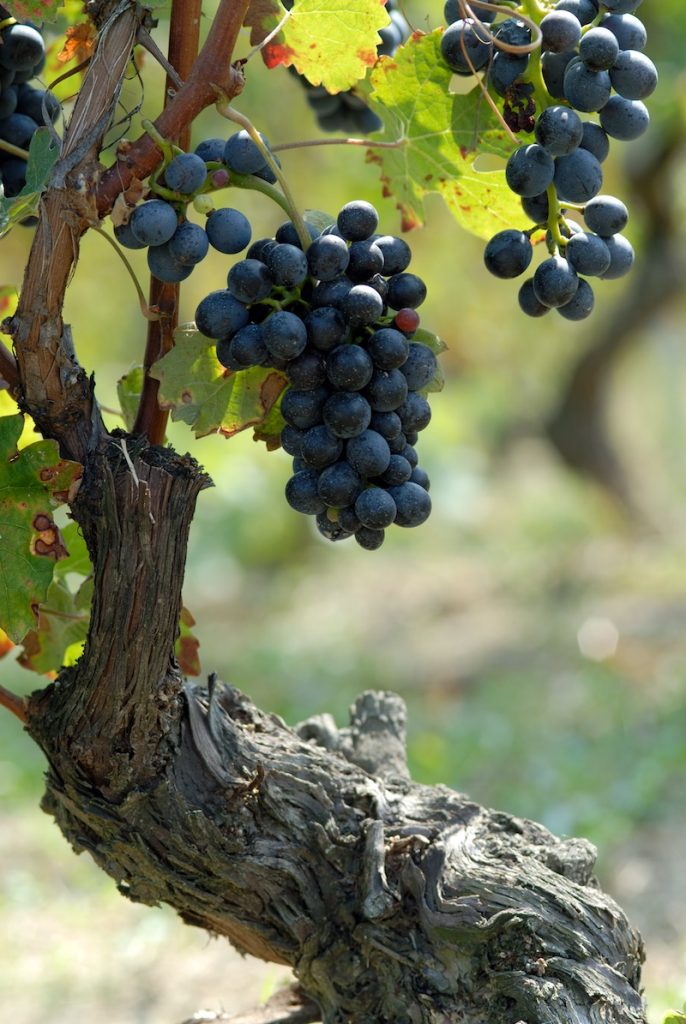
Will the great heat result in more alcoholic wines?
This risk has been warded off by the preparedness of our agronomic practices aimed at maintaining coolness, carefully monitoring ripening of the grapes and taking prompt action for the harvest.
The vines have depleted a lot of energy and resources to resist the adverse weather conditions; how do you facilitate their winter dormancy and recovery for the new season?
Certainly, we have a pressing need for a very rainy winter with abundant snow to feed the dried-up springs. Once the harvest was over, we worked deep down between the rows to collect all the rain and snow we hope will fall and make it available to the roots. We also organically fertilised with humus and manure, and in spring we will sow leguminous plants, green manuring aimed at enriching the soil with natural nitrogen-based substances. All of this is to optimize fertility and ensure that the soil holds humidity in critical periods.
What have you learned from this season and this harvest?
We’ve learned that even in a year with unusual weather conditions we are able to obtain excellent results as long as we are careful, innovative and quick to take action.